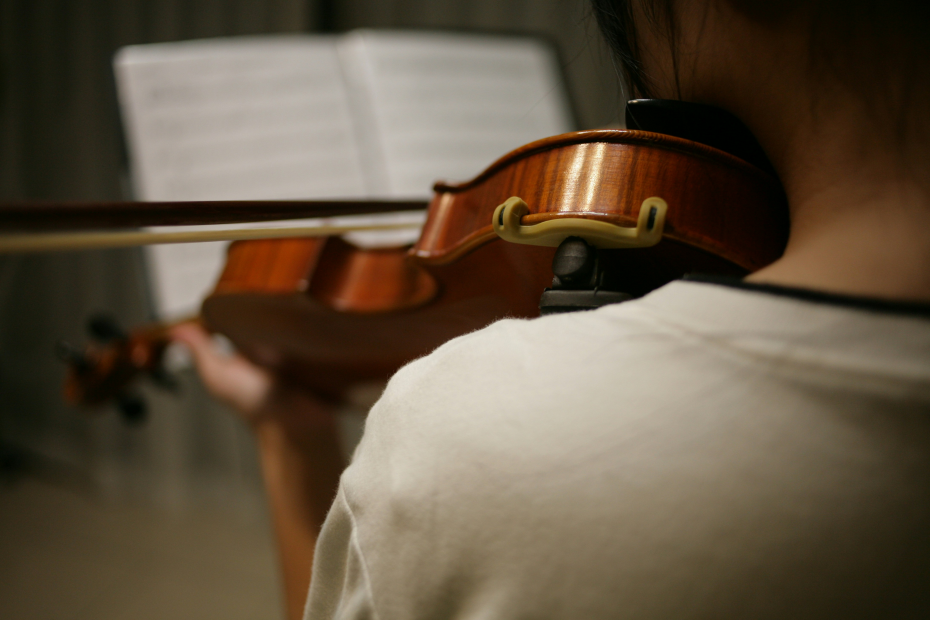
Starting violin lessons often comes with more nerves than people expect. Beginners worry about doing something wrong, sounding bad, or not understanding instructions. Parents worry about whether their child will cooperate, stay focused, or even like the instrument.
The most important thing to remember is that as a beginner, your progress will be slow, and you won’t be jumping into playing full songs right away.
The goal of the first lesson is to establish comfort, safety, and clarity. Teachers are not looking for talent, they are looking for posture, coordination, listening skills, and readiness to learn.
Teachers will:
- Introduce you to your instrument
- Teach basic technique for holding your violin and bow
- Go over practice expectations and tell you what to focus on
This guide walks you through exactly what happens during a first violin lesson so you can arrive prepared and relaxed.
Before the Lesson: How to Prepare (and What Not to Stress About)
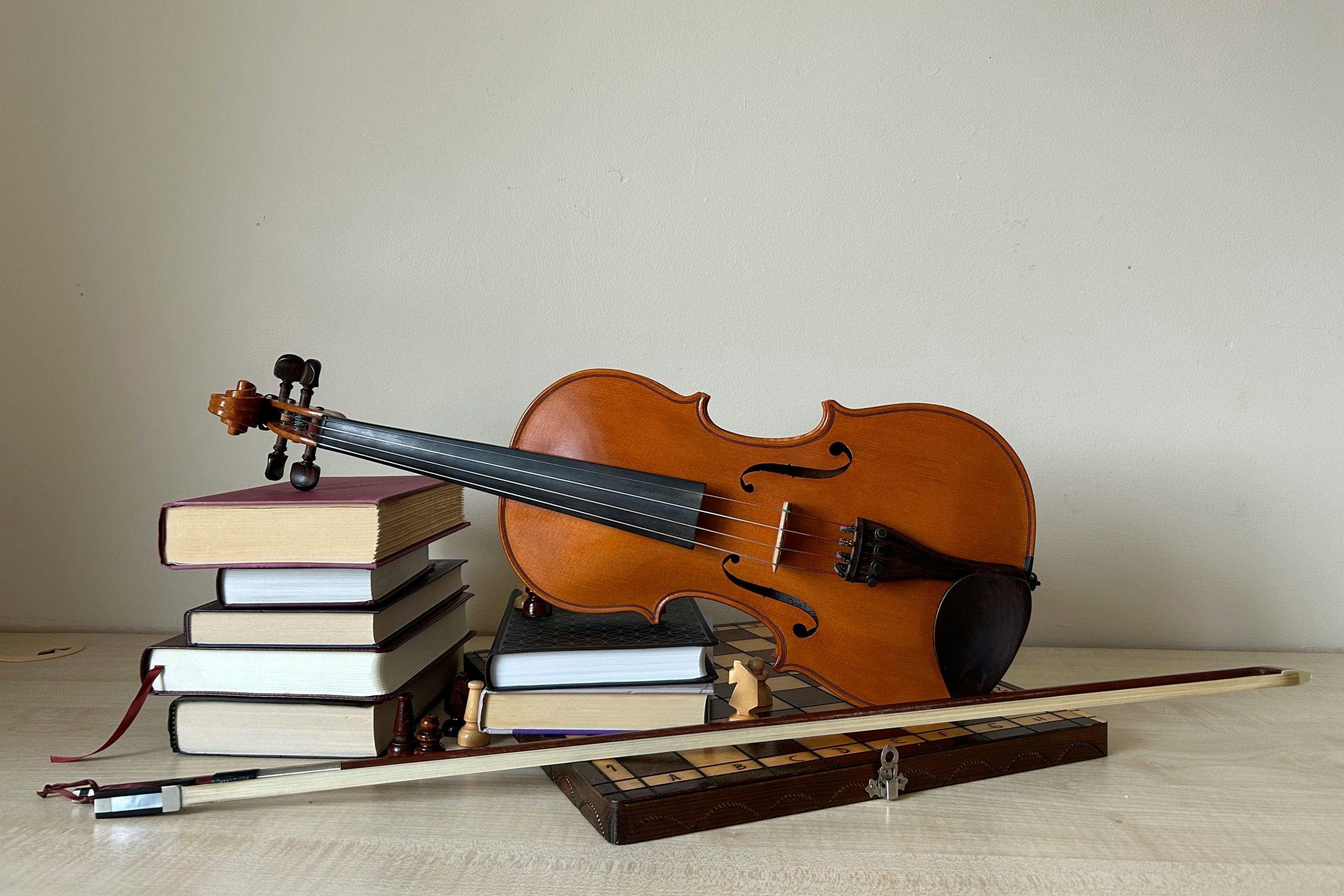
You do not need to practice before your first violin lesson. In fact, practicing without guidance can create habits that your violin teacher then has to undo.
What you do need:
- A violin (correct size)
- Bow
- Rosin
- Shoulder rest or sponge
- Case
For a more extensive view of what materials you need to start violin lessons, check out our post “Essentials You Need For Your First Violin Lesson”
If you are missing something, just bring what you have. Your teacher will expect beginners to need help setting up.
For children, parents should plan to attend the lesson unless the teacher specifies otherwise. Early involvement helps reinforce learning at home.
Tip– Wear comfortable clothes that allow free movement of your arms and shoulders. Avoid tight sleeves, stiff jackets, or bulky accessories. Bulky coats, jackets, etc get in the way of putting your violin on your shoulder, and tight clothes could restrict your movement.
The First Few Minutes: Setup Comes First
Most first violin lessons begin without playing at all. A teacher will introduce themselves and start working through the process of introducing you to your instrument. Before even having you pick up your violin, they will most likely go over the fundamentals and parts of the violin.
Learn more about the parts of the violin at “Parts of a Violin: Your Violin Anatomy Breakdown”
Then your teacher will likely:
- Confirm violin size
- Adjust shoulder rest height and angle
- Explain how the violin should rest on the body
- Talk about basic posture and balance
This part matters more than beginners realize. Poor setup leads to:
- Neck and shoulder tension
- Difficulty with bow control
- Slower progress
- Frustration during practice
Teachers often explain why setup matters, especially to adult beginners. For children, teachers may demonstrate and guide more physically.
Expect small adjustments and repetition. This is normal and necessary.
Learning to Hold the Violin Safely
Before adding the bow, students usually learn how to hold the violin itself in a playing position, and learn what a safe “rest position” is.
Learning playing position may include:
- Resting the violin on the shoulder
- Balancing without hands
- Turning the head gently to support the instrument
- Learning safe ways to pick up and put down the violin
This builds confidence and prevents fear of dropping the instrument.
For children, teachers often use games or imagery. For adults, explanations tend to be more technical.
Violin Bow Hold: One of the Hardest Early Skills
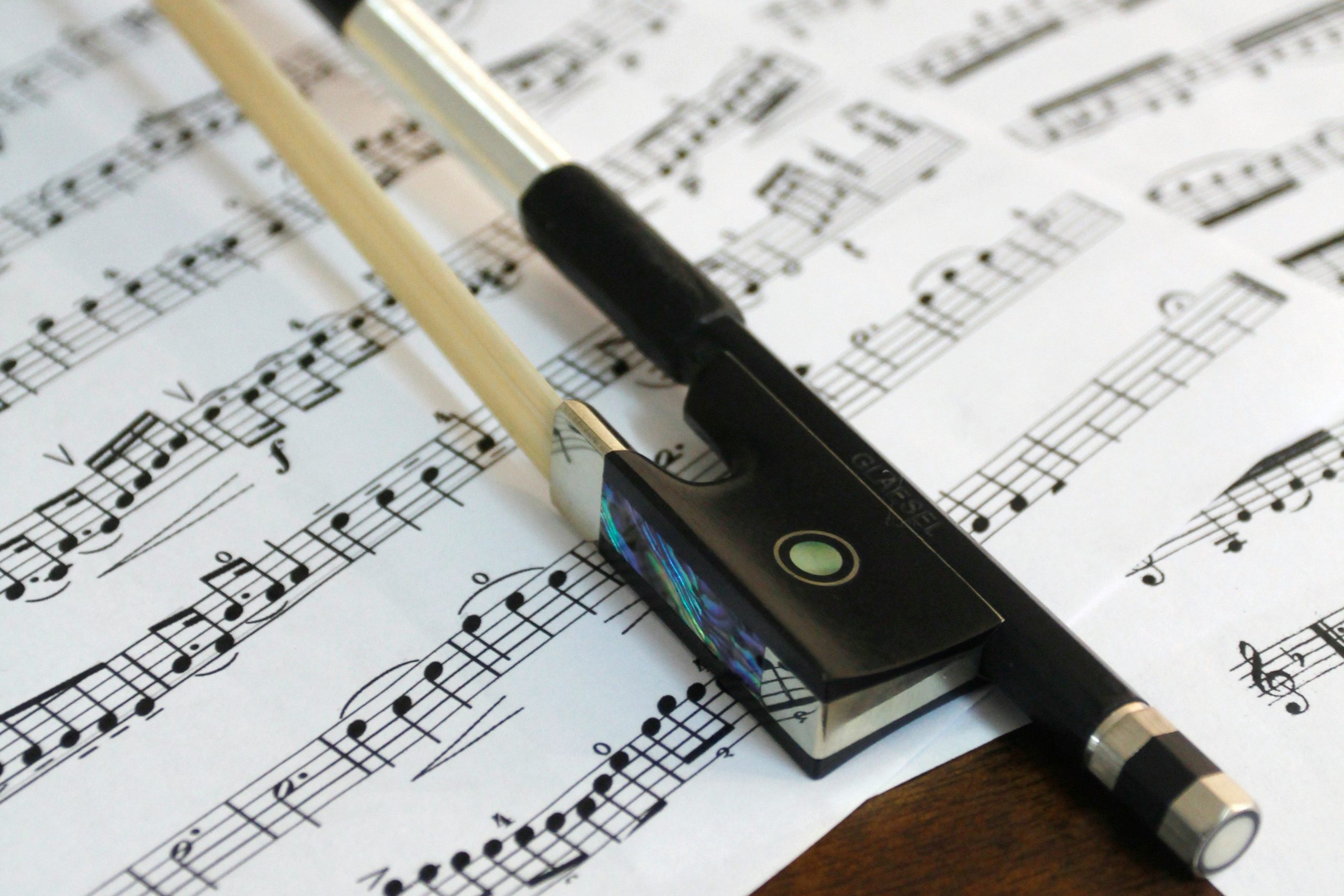
The bow hold is introduced carefully. Teachers often use pencils or something like it to have you practice the specific finger positions required to hold the bow correctly. They might give you some drills to strengthen your fingers and get used to that position, either with the pencil or with the bow.
Teachers may:
- Encourage use of props or exercises before using the bow
- Adjust your finger placement multiple times
- Demonstrate the hold for you
Bow holds can feel awkward, and that’s normal. It’s important to be patient when learning fundamental skills, especially a violin bow hold because it is the basis of your technique for the rest of your violin journey. Poor form can result in injuries further down the line.
The bow hold involves small muscles that are not used often in daily life. Early discomfort is common, but pain is not. If something hurts, say so.
Making Your First Sounds
Some first lessons include open string playing or plucking on open strings (not pressing down any fingers), though again it does depend on the teacher. It can also depend on how well the lesson is going, and if you are struggling with the fundamentals or not.
You might:
- Play on one string at a time
- Focus on straight bow movement
- Learn bow direction terms (up-bow, down-bow)
- Practice slow, controlled motion
Your sound may be scratchy or uneven. This is expected.
Teachers listen and look at:
- Bow placement
- Arm movement
- Willingness to adjust
Starting out can be tough, but sound quality improves with time and practice.
Introduction to Music and Practice Expectations
Depending on the teacher and teaching method, you may:
- Learn note names
- Learn string names
- Receive a method book
- Get a simple assignment
Teachers usually explain:
- How long to practice your violin or bow exercises
- What to focus on (good technique, slow and steady movements, etc)
- How often to practice
- What progress should look like
Depending on the teaching method your teacher is using, these things can be a bit different person to person. Discover “Common Violin Teaching Methods.”
Questions Are Welcome (and Encouraged)
Good music teachers expect questions. A first violin lesson is a great time for you to get any concerns you have out of the way about teaching style/methods, technique, timeline, and expectations as you move forward.
Ask about:
- Practice structure
- Discomfort or confusion
- Equipment concerns
- Next steps
Parents should clarify how to support practice without pressure.
Adult beginners should ask about pacing and expectations.
What You Should Not Expect from Lesson One
Do not expect:
- To play full songs or even use your fingers to play notes
- To read and understand music fluently
- To sound polished or like what you hear online
- To understand everything
Again, learning the violin requires patience. Foundations come first, and are built on over time.
After the Lesson: Setting Yourself Up for Success
After the lesson:
- Review notes (Keep track of what you should be working on)
- Set a consistent practice time (Setting aside a designated time each day takes the stress out of it)
- Keep expectations realistic (Focus on consistent progress over rushing to the “fun stuff”)
Young students should focus on effort and routine, not perfection, and adult beginners should trust the process and avoid comparison. Learning a new instrument is exciting, and can be the start of learning how to love music more, express yourself in a new way, and develop a super cool skill.
Wondering about the next steps once starting lessons?
Read “How to Build a Consistent Violin Practice Routine”